
Overwatch Hero Cards Inspired by Apex Legends Still Make Sense in 2026
This Overwatch hero card concept borrows Apex Legends banners, adding progressive poses and effects to make post-match showcases more celebratory.
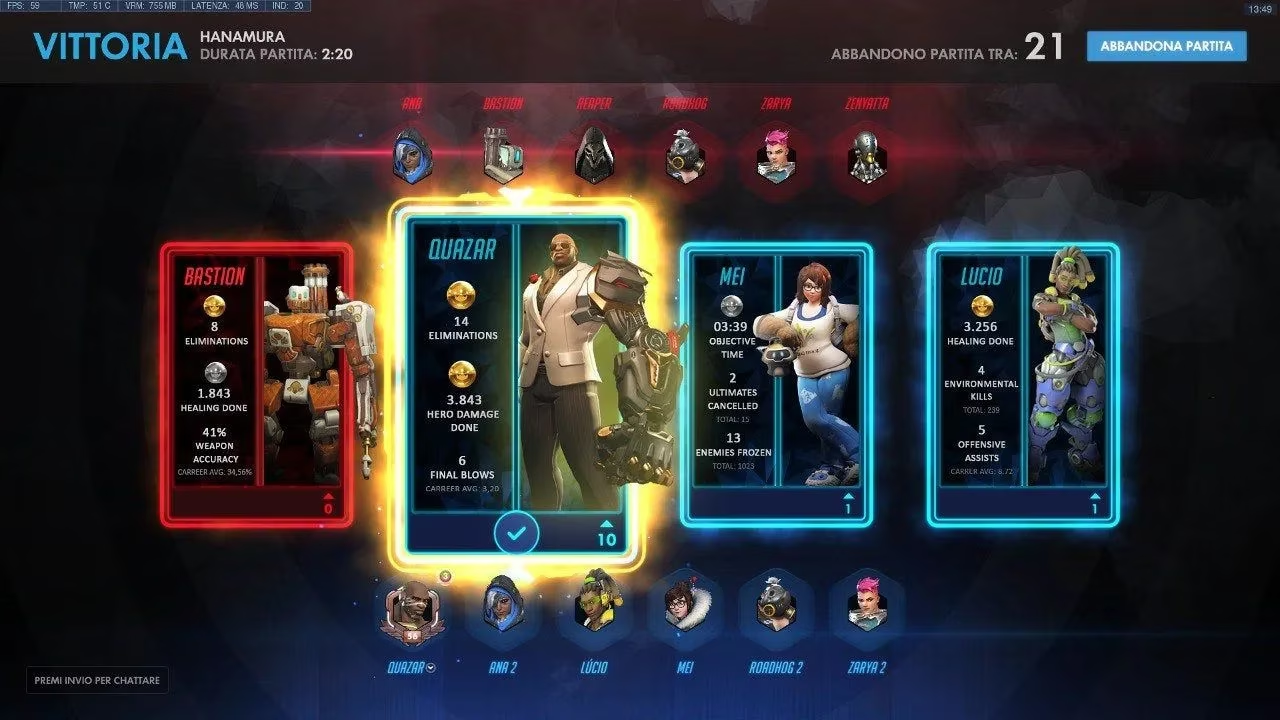
The idea arrived as a modest mockup, but it asked a big question: what if Overwatch treated its end-of-match hero cards less like a scoreboard and more like a stage? In late 2021, a Reddit user named quazar_21 shared a concept that borrowed a design cue from Apex Legends and applied it to Overwatch’s post-match screen. Instead of the familiar cards that list a few stats and a hero portrait, the mockup placed full-body hero art on the right side of the card and arranged stats and medals on the left. The goal was simple: make the final screen feel more like a showcase and less like a spreadsheet.
The pitch did not stop at layout. quazar_21 also suggested that the cards should be progressive. As more players voted for a hero card, the character’s pose would change, and additional card effects would appear. That is a neat trick. It turns a static reward into a small ceremony, and it gives the lobby a reason to watch the votes tick upward. In the original concept, the system felt especially useful for rare skins. Overwatch has always had a deep cosmetic collection, but the post-match screen has rarely been the best place to show it off. A progressive banner-style card would let a well-played hero, and a well-chosen skin, enjoy a brief moment in the spotlight.
A Small Screen With Big Potential
The community response was immediate. According to the original post, the concept gathered nearly 900 upvotes in less than 12 hours, and many commenters saw it as a quality improvement rather than a cosmetic curiosity. Some argued that progressive cards would encourage stronger play, because players would want to see their hero pose and card effects at the end of a match. Others focused on the collection angle: rare skins deserve better presentation, and the end-of-match screen is a natural place to deliver it.
| Feature | What It Would Do | Why It Matters |
|---|---|---|
| Full-body hero art | Puts the character, not just the stats, at the center of the card | Makes rare skins more visible |
| Progressive poses | Changes the pose as votes accumulate | Adds suspense and reward |
| Card effects | Unlocks visual flourishes with more votes | Makes the final screen feel celebratory |
| Stat and medal layout | Keeps performance information clear | Preserves the competitive readout |
The timing of the original idea mattered. When the concept first appeared, Overwatch 2 had been delayed, and fans were hungry for fresh content in the original game. A progressive hero card system looked like a low-risk way to keep the experience lively without rebuilding the core. In 2026, the context has changed. Overwatch 2 is now the live game, and the conversation around cosmetics, battle passes, mythic skins, and post-match presentation has only grown more intense. The old mockup still feels relevant because the underlying request has not disappeared: players want their investment to be seen.
Why the Concept Still Matters in 2026
Modern live-service shooters compete for attention across every screen, including the ones that appear after a match ends. A final scoreboard can be functional, but it can also be a missed opportunity. The Apex Legends-inspired concept understood that. It treated the hero card as a miniature trophy case, a place where performance and personal style could meet.
-
🎯 Recognition: Strong play deserves a visible reward, not just a line of numbers.
-
🎨 Cosmetic value: Rare skins gain more meaning when they appear in a dramatic, full-body pose.
-
🗳️ Community energy: Voting becomes more engaging when the card visibly evolves.
-
⚡ Retention: Small presentation upgrades can make repeated matches feel less routine.
There are practical questions, of course. Blizzard would need to balance card readability, animation time, and the pace of the post-match flow. A progressive system could also become noisy if every vote triggers a flashy effect. Still, the core idea is flexible. The poses could be subtle, the effects could be tiered, and the stat layout could remain clean. The concept does not ask for a revolution. It asks for a better curtain call.
No one is holding their breath, but the idea has legs. In a game with such a broad cast and such a deep cosmetic library, the end-of-match screen remains an underused stage. The Reddit mockup may have started as a fan edit, but it pointed toward something more durable: a way to make every match end with a little more personality. That is the kind of small touch that can go a long way, and in 2026, Overwatch could still use it.